
When it comes to raising healthy children, parents naturally think about height, weight, immunity and physical strength. But there is another part of childhood development that deserves just as much attention: the brain.
From learning new words and remembering information to developing attention, vision and coordination, a child’s brain goes through remarkable changes during early life.
One nutrient that often comes up in conversations about children’s brain nutrition is DHA.
But what exactly is DHA? Where does it come from? Is DHA important for children’s brain development? And how can Nigerian parents include it in a child’s diet?
Let’s break it down simply.
What Is DHA?
DHA, short for docosahexaenoic acid, is a long-chain omega-3 fatty acid.
It is a type of healthy fat that forms an important structural component of the brain and the retina of the eye.
The body can make some DHA from another omega-3 fatty acid called ALA, but this conversion is limited. This means dietary sources of DHA can be particularly useful.
DHA is especially relevant during childhood because the brain continues developing rapidly throughout infancy, childhood and adolescence.
That is why parents often hear about DHA for kids, omega-3 for children and brain development nutrition.
Why Is DHA Important for Brain Development?
Think about the brain as a sophisticated communication network. Billions of cells need to communicate efficiently with one another. The brain also needs healthy cell membranes and an adequate supply of nutrients to support its normal functions.
DHA is a major structural component of brain tissue. It contributes to the structure and function of brain cells and is particularly abundant in the brain and retina. This doesn’t mean that taking more DHA automatically makes a child “smarter.” That’s an important distinction.
DHA is part of good nutrition; it is not a magic intelligence booster.
A child’s cognitive development is influenced by many factors, including genetics, nutrition, sleep, physical activity, learning opportunities, emotional wellbeing and their overall environment. DHA is simply one piece of that much bigger picture.
DHA and Children’s Brain Development
During childhood, the brain is constantly developing. Children are learning to:
-
Recognise faces and sounds
-
Speak and communicate
-
Remember information
-
Solve problems
-
Develop coordination
-
Pay attention
-
Learn at school
-
Understand their environment
Adequate nutrition provides the building blocks needed to support these processes. DHA contributes to normal brain and visual development, particularly during early life. This is one reason why omega-3 fatty acids for children have become an increasingly important topic for parents interested in healthy child development.
Where Does DHA Come From?
DHA is naturally present in certain foods, particularly fatty fish and seafood. Some of the best dietary sources include:
-
Sardines
-
Mackerel
-
Salmon
-
Herring
-
Other oily fish
-
Certain fortified foods
And here’s something Nigerian parents can appreciate:
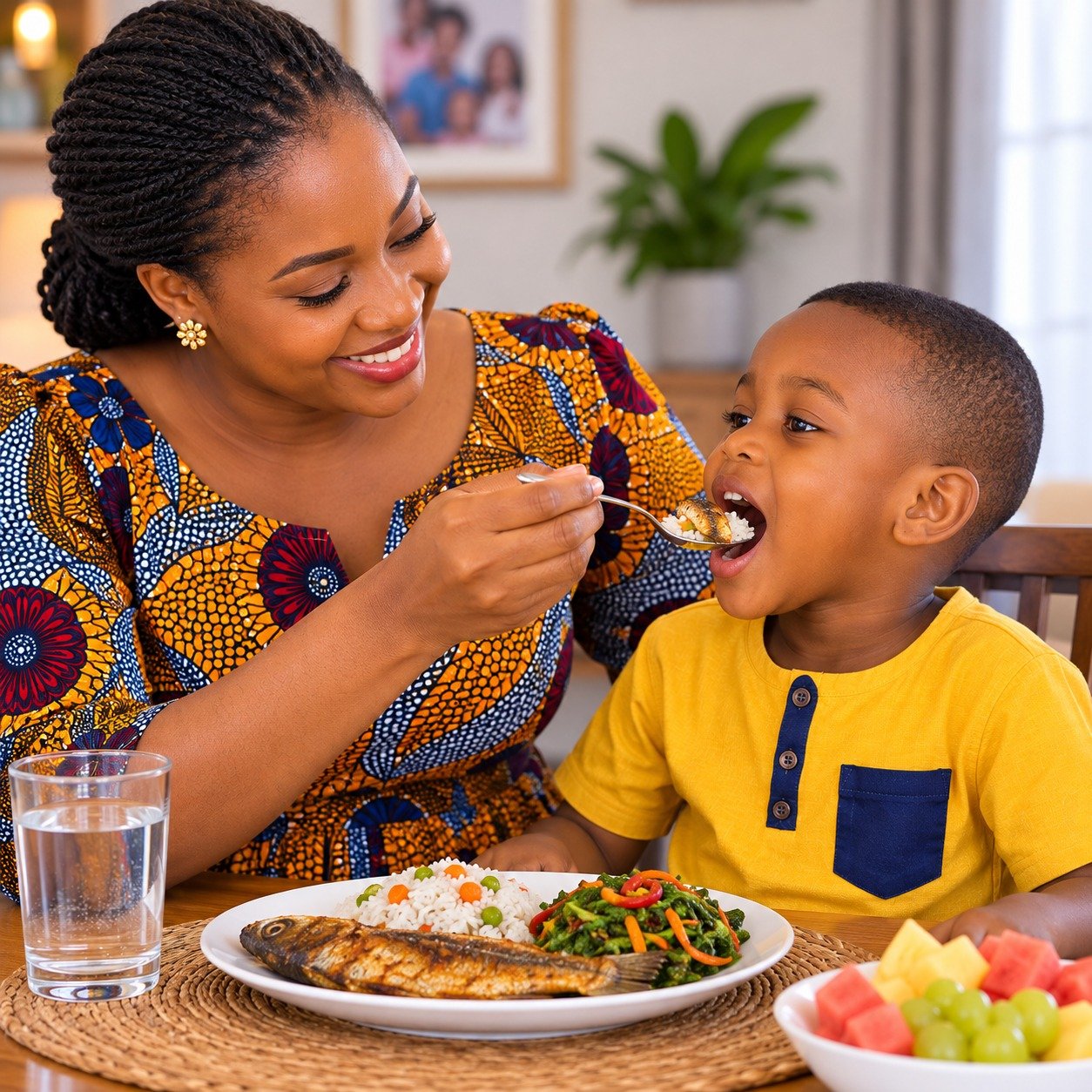
Fish is already part of many Nigerian meals.
Whether it’s mackerel with rice, sardines with bread, or fish included in a vegetable soup, fish can provide valuable nutrients, including protein and omega-3 fatty acids.
However, the amount of DHA varies depending on the type of fish. Parents should also pay attention to food safety and choose fish appropriate for children, particularly by considering bones, preparation and potential exposure to contaminants.
What About Children Who Don’t Eat Fish?
This is where things can become challenging. Some children simply don’t like fish. Others may eat fish only occasionally. Some families may also have dietary restrictions or limited access to certain types of fish. Fortunately, parents can discuss alternatives with a healthcare professional.
Omega-3 supplements may be an option in some circumstances. Depending on the product, supplements can contain DHA, EPA or other omega-3 fatty acids. For parents considering a children’s DHA supplement, it is important to choose a reputable product designed for the child’s age and follow the recommended serving instructions.
DHA Is Not the Whole Story
Here’s one of the most important things parents should remember:
Brain development doesn’t depend on DHA alone. A child needs a broad range of nutrients to support healthy growth and development.
These include:
Protein
Protein provides amino acids needed for growth, tissue maintenance and many important body functions. Good sources include eggs, beans, fish, meat, poultry, milk and yoghurt.
Iron
Iron is important for healthy blood and oxygen transport and is an essential nutrient during childhood. Sources include meat, fish, eggs, beans and fortified foods.
Zinc
Zinc contributes to normal growth, immune function and many cellular processes.
Choline
Choline plays important roles in normal nervous system function, cell structure and the production of neurotransmitters. Eggs are a particularly useful dietary source.
B Vitamins
Several B vitamins contribute to energy metabolism, nervous system function and normal cell development.
Iodine
Iodine is needed for the production of thyroid hormones, which are important for normal growth and brain development.
Vitamin D
Vitamin D contributes to healthy bones, muscles and normal immune function and helps the body absorb calcium. This is why overall nutrition for children matters so much. Giving a child one supplement while their everyday diet is poor cannot replace the benefits of a balanced diet.
How Can Nigerian Parents Support Healthy Brain Nutrition?
You don’t need expensive “brain foods” to support your child’s nutrition. Start with familiar foods. A simple Nigerian meal can contain several important nutrients. For example:
Breakfast: Pap + egg + fruit
Lunch: Rice + beans + fish + vegetables
Snack: Yoghurt + fruit
Dinner: Yam or sweet potato + fish + vegetable sauce
These combinations can provide protein, carbohydrates, healthy fats, vitamins and minerals. The key is variety. Try not to serve the same limited foods every day. Rotate different protein sources, fruits, vegetables, grains and healthy fats.
Meet Jehyson DHA
For parents looking to complement a child’s diet with DHA, Jehyson DHA with Inositol & Choline is formulated as a nutritional supplement providing DHA alongside inositol and choline. DHA is an important structural component of the brain and retina, while choline contributes to normal nervous system function and cell structure.
Jehyson DHA can therefore be considered as part of a broader approach to children’s nutritional wellbeing, alongside nutritious meals, adequate sleep, physical activity, learning and good healthcare.
However, remember: A supplement complements a healthy diet; it doesn’t replace one. Parents should follow the product’s recommended use and seek professional advice when they have questions about their child’s nutritional needs.
Frequently Asked Questions About DHA for Children
Is DHA good for children?
DHA is an omega-3 fatty acid that is an important structural component of the brain and retina. Adequate DHA is therefore part of good nutrition during childhood.
What foods contain DHA?
Fatty fish such as sardines, mackerel and salmon are among the richest dietary sources of DHA. Some fortified foods may also contain DHA.
Does DHA make children smarter?
No single nutrient can guarantee higher intelligence. Cognitive development depends on many factors, including genetics, nutrition, sleep, education, stimulation and the child’s environment. DHA is one component of healthy nutrition.
Can a child take DHA supplements?
Some children may benefit from nutritional supplementation depending on their diet and individual circumstances. Parents should choose age-appropriate products and follow recommended usage. A healthcare professional can provide personalised guidance.
What is the difference between DHA and omega-3?
DHA is one specific type of omega-3 fatty acid. Other omega-3 fatty acids include EPA and ALA. They have different roles in the body.
The Bottom Line for Nigerian Parents
Your child’s brain needs more than one “super nutrient.” DHA matters, but so does the bigger nutritional picture.
Give your child a variety of nutritious foods. Include fish when appropriate. Offer eggs, beans, fruits, vegetables, whole grains and other nutrient-rich foods. Encourage adequate sleep, physical activity and opportunities to learn and explore. And if your child’s diet has nutritional gaps, speak with a qualified healthcare professional about whether supplementation may be appropriate. Because supporting a child’s developing brain isn’t about finding one magical food.
It’s about giving the brain the right building blocks, consistently, from the very beginning.