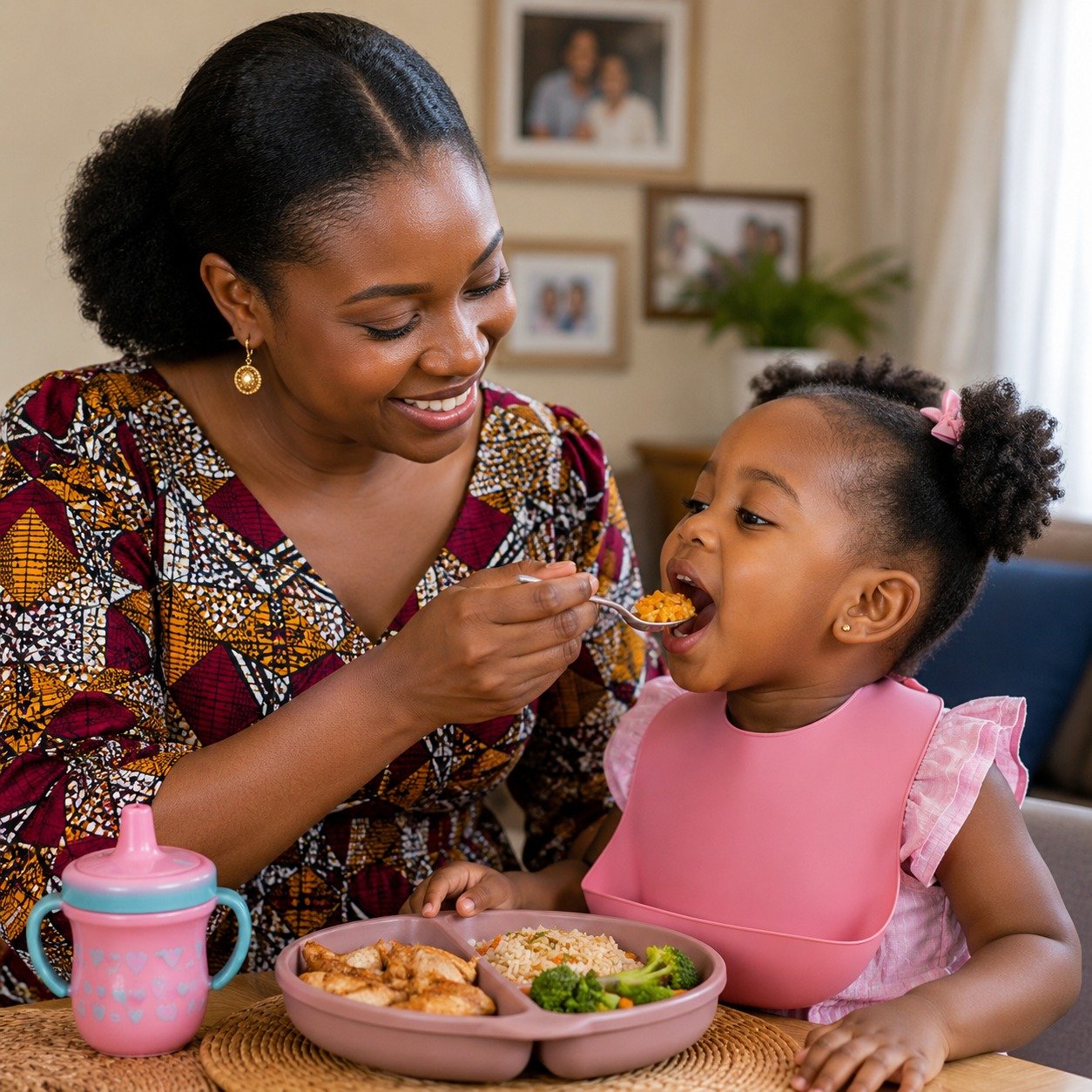
Every parent wants to see their child grow well, stay active, learn quickly and remain healthy. But healthy growth is not only about how much a child eats. It is also about what is on the plate.
Children need a variety of essential nutrients to support their growing bones, muscles, brain, immune system, blood and overall development. From the protein in beans and eggs to the vitamin C in oranges and the omega-3 found in fish, everyday Nigerian foods can provide many of these important nutrients.
The good news? You don’t need complicated meals or expensive imported foods to support your child’s nutrition. With a little planning, familiar Nigerian foods can become part of a balanced diet for growing children.
Here are 10 essential nutrients every growing child needs and simple ways Nigerian parents can include them in their child’s diet.
1. Protein: The Building Block of Growth
Think of protein as one of the body’s major building materials. Children need protein to support growth, muscle development, tissue repair and the production of important body substances.
Growing children are constantly building and repairing their bodies, which makes adequate protein especially important.
Good sources of protein for children include:
• Eggs
• Fish
• Chicken and other lean meats
• Beans
• Lentils
• Soybeans
• Milk and yoghurt
• Groundnuts and other nuts, where age-appropriate and safe
For Nigerian families, foods such as beans and rice, moi moi, akara, eggs, fish and chicken can make nutritious combinations.
The goal isn’t simply to give your child more food. It is to provide a variety of nutrient-rich foods throughout the day.
2. Iron: Important for Blood and Energy
Iron is an essential mineral that helps the body make haemoglobin, a protein in red blood cells responsible for carrying oxygen around the body.
Children need adequate iron as they grow, and insufficient iron intake can contribute to iron deficiency and iron-deficiency anaemia.
A child who is not getting enough iron may experience symptoms such as tiredness, weakness or difficulty concentrating, although these symptoms can have many possible causes and should not be used for self-diagnosis.
Iron-rich foods include:
• Liver and other organ meats
• Lean meat
• Fish
• Eggs
• Beans
• Dark green leafy vegetables
• Fortified cereals and other fortified foods
Here’s a useful Nigerian nutrition tip: pair plant-based sources of iron with vitamin C-rich foods. Vitamin C can help improve the absorption of non-heme iron from plant foods.
For example, beans served alongside fruits such as oranges, tangerines, guava or mango can be a smart combination.
For children who require additional iron or haemoglobin support, parents should speak with a qualified healthcare professional about appropriate products and dosage. HBeam, a Jehyson haemoglobin syrup, can be part of that conversation when recommended as appropriate.
3. Calcium: Strong Bones and Teeth
When people think about calcium, they often think about strong bones. And for growing children, that’s particularly important.
Calcium contributes to the development and maintenance of strong bones and teeth and also plays important roles in normal muscle and nerve function.
Childhood and adolescence are important periods for building bone mass, making adequate calcium intake part of good long-term nutrition.
Calcium-rich foods include:
• Milk
• Yoghurt
• Cheese
• Sardines and some other fish eaten with edible bones
• Calcium-fortified foods
• Some leafy green vegetables
• Soy-based foods
If your child doesn’t take much milk, don’t panic. A balanced diet can provide calcium from several sources.
Try incorporating yoghurt into breakfast, adding milk to suitable meals or snacks, and including calcium-containing foods as part of regular family meals.
4. Vitamin D: The Sunshine Vitamin
Vitamin D works closely with calcium and is important for healthy bones and teeth.
It helps the body absorb calcium and supports normal muscle and immune function.
Vitamin D can be obtained from sunlight exposure, certain foods and supplements when necessary. However, sunlight exposure should be sensible, and babies and young children may have different vitamin D needs.
Food sources include:
• Oily fish
• Egg yolks
• Fortified milk and cereals
• Some fortified foods
Because vitamin D content varies significantly among foods, parents should focus on an overall balanced diet rather than relying on one food.
If you’re concerned that your child may not be getting enough vitamin D, speak with a paediatrician or other qualified healthcare professional.
5. Vitamin C: Support for Immunity and Iron Absorption
Vitamin C is a powerful little nutrient with several important jobs.
It supports normal immune function, collagen production, wound healing and the absorption of iron from plant-based foods.
Fortunately, some of the best sources are fruits that Nigerian children can enjoy.
Vitamin C-rich foods include:
• Oranges
• Tangerines
• Guava
• Pawpaw
• Mango
• Pineapple
• Tomatoes
• Bell peppers
• Other fresh fruits and vegetables
Instead of always reaching for biscuits or sweets when your child wants a snack, try making fruit part of the routine.
A bowl of pawpaw, sliced oranges or guava can be a simple, colourful addition to a child’s day.
Jehyson Vitamin C Syrup may also provide vitamin C supplementation when appropriate. Parents should use supplements according to the product directions and advice from a healthcare professional where necessary.
6. Zinc: Small Mineral, Big Role
Zinc may be needed in relatively small amounts, but its role in children’s nutrition is significant.
Zinc contributes to normal growth, immune function, wound healing and many processes involved in cell development.
Sources of zinc include:
• Meat
• Fish
• Eggs
• Milk and dairy products
• Beans
• Groundnuts
• Seeds
• Whole grains
A child who eats a varied diet generally has more opportunities to obtain zinc from different foods.
This is another reason why children’s meals should not become too repetitive. Variety matters.
7. Omega-3: Feed the Growing Brain
Omega-3 fatty acids are particularly interesting when discussing children’s brain development and nutrition.
Some omega-3 fatty acids, especially DHA, are important structural components of the brain and eyes. DHA is particularly associated with normal brain and visual development.
Good food sources include:
• Sardines
• Mackerel
• Salmon
• Other oily fish
• Certain fortified foods
And this is where Nigerian families have an advantage: fish is already a familiar part of many Nigerian meals.
Whether it’s sardines in a sandwich, grilled fish with rice, or properly prepared local fish in a family meal, fish can contribute valuable nutrients to a child’s diet.
For families considering supplementation, Jehyson DHA with Inositol & Choline provides DHA alongside choline and inositol as a nutritional supplement designed to support children’s nutritional needs. Supplements should complement, not replace—a balanced diet.
8. Vitamin A: Important for Eyes and Immunity
Vitamin A is another essential nutrient for growing children. It supports normal vision, immune function and healthy skin and tissues. Vitamin A can be obtained from both animal foods and plant foods.
Sources include:
• Carrots
• Sweet potatoes
• Pumpkin
• Spinach and other leafy vegetables
• Pawpaw
• Mango
• Eggs
• Liver
• Fortified foods
A simple way to increase nutrient variety is to include colourful fruits and vegetables in your child’s meals. Remember the old parenting advice about eating your vegetables? There is a good reason behind it.
9. B Vitamins: Everyday Support for Growth and Energy Metabolism
The B-vitamin family includes several different vitamins, including B1, B2, B3, B6, B9 (folate) and B12.
They don’t all do exactly the same thing, but collectively they are involved in important processes such as energy metabolism, red blood cell formation, nervous system function and cell development.
Food sources include:
• Whole grains
• Beans
• Eggs
• Meat
• Fish
• Milk and dairy products
• Green leafy vegetables
• Fruits and vegetables
• Fortified foods
Vitamin B12 deserves particular attention because it is naturally found mainly in animal-derived foods, although some fortified foods also provide it. For children following restrictive diets, parents should discuss nutritional needs with a qualified healthcare professional to ensure important nutrients are not being missed.
10. Choline: An Important Nutrient for the Developing Brain
Choline may not receive as much attention as calcium or vitamin C, but it is an important nutrient for growing children. Choline is involved in cell structure, normal nervous system function and the production of acetylcholine, a neurotransmitter involved in memory and other brain functions.
Eggs are one of the most familiar dietary sources of choline.
Other sources include:
• Eggs
• Fish
• Meat
• Milk
• Soybeans
• Beans
• Some nuts and seeds
For Nigerian parents, an egg can be an easy way to add valuable nutrients to breakfast or another meal. And when it comes to children’s nutrition, simple foods can sometimes make a big difference when included consistently as part of a balanced diet.
How Can Nigerian Parents Build a Nutrient-Rich Child’s Meal?
You don’t have to completely change your family’s traditional meals. Instead, think about balance, variety and food quality.
For example:
Breakfast
Pap + egg + fruit
This can provide carbohydrates, protein, vitamins and minerals.
Lunch
Rice + beans + fish + vegetables
This combination provides protein, carbohydrates, fibre and several vitamins and minerals.
Snack
Fruit + yoghurt
A simple option that can provide vitamins, calcium and protein.
Dinner
Yam or sweet potato + fish + vegetable sauce
This can provide carbohydrates, protein, vitamins and minerals. The exact foods and portions should be appropriate for the child’s age, appetite and nutritional needs.
Don’t Forget About Variety
One of the biggest mistakes parents can make is focusing on a single “superfood.” There is no magic food that provides everything a growing child needs. An egg is nutritious. Fish is nutritious. Beans are nutritious. Fruits are nutritious. But children need a combination of different foods to obtain a broad range of nutrients.
Think of your child’s diet as a team. Protein does one job. Iron does another. Calcium does another. Vitamins and healthy fats bring additional benefits.
Together, they help support a child’s overall growth and development.
Food First, Supplements When Needed
A balanced diet should generally be the foundation of children’s nutrition. Supplements can have a role when a child has increased nutritional needs, a dietary gap, a confirmed deficiency or when a healthcare professional recommends them. Jehyson Healthcare offers nutritional products that can complement healthy eating, including Jehyson DHA with Inositol & Choline, Jehyson Cod Liver Oil with Sweet Orange Syrup, Jehyson Vitamin C Syrup and HBeam Haemoglobin Syrup.
However, supplements should not be viewed as replacements for nutritious meals.
The goal is not “food or supplements.” It’s appropriate nutrition, with supplementation when needed.
A Simple Rule for Parents: Think Colour, Variety and Balance
When planning your child’s next meal, ask yourself:
Is there a source of protein?
Is there a fruit or vegetable?
Is there a source of important vitamins and minerals?
Is the meal varied across the day?
Is my child drinking enough suitable fluids?
You don’t have to get every nutrient into every single meal. What matters is the overall pattern of eating across the day and week.
And remember: children’s nutritional needs change as they grow. Babies, toddlers, school-age children and teenagers don’t all have identical nutritional requirements.
If your child is unusually tired, has poor appetite, is not growing as expected, loses weight, has persistent digestive problems or you are worried about their nutrition, don’t guess. Speak with a paediatrician, doctor, dietitian or other qualified healthcare professional.
Give Your Child the Nutritional Foundation to Grow
Healthy growth begins with the basics: nutritious food, adequate sleep, physical activity, good hygiene, emotional support and regular healthcare.
Protein helps build. Iron supports healthy blood. Calcium and vitamin D support bones. Vitamin C supports normal immune function and iron absorption. Zinc supports growth and immunity. Omega-3s such as DHA contribute to brain and visual development. Vitamin A supports vision and immunity. B vitamins support essential body processes, while choline supports normal nervous system function and cell structure.
No single nutrient does everything.
Every nutrient has a role, and every healthy meal is an opportunity to give your child the nutritional support they need to thrive.